

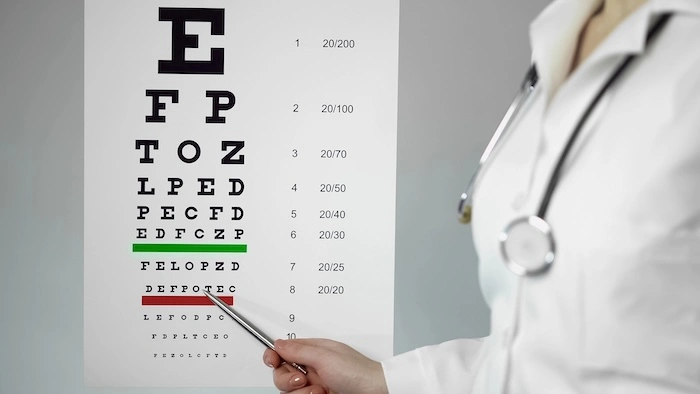
Eye exams aren’t just for those who wear glasses; they’re an essential part of maintaining your overall health. During a vision exam, your eye doctor will check both your vision and the health of your eyes, often identifying issues before symptoms appear. Understanding what these exams include—and why they matter—can help you stay proactive about your health.
Why Eye Exams Matter
An annual eye exam does far more than determine whether you have 20/20 vision. They are designed to evaluate a wide range of visual functions and detect conditions that basic screenings may miss. In many cases, these exams can identify gradual changes in your vision that you may not notice in your day-to-day life. Catching these changes early can help prevent further strain and support long-term eye health.
During an exam, an eye doctor will check focusing ability (important for reading and screen use), as well as how your eyes work together—often referred to as eye teaming, which supports coordination and depth perception. Your near and distance vision are also evaluated, so that any issues with clarity can be properly addressed. Your eye doctor may also assess how your eyes respond to light and how well you can track moving objects, both of which are important for daily activities like driving and using digital devices.
Beyond eyesight, eye exams can also assess how your brain processes visual information. This includes visual memory, which is the ability to recall what you see, and visual perception skills that affect reading and comprehension. Visual-motor integration, which assesses how your eyes coordinate with your hands and body, is another key component. This plays a role in everything from writing to sports performance and overall coordination.
If your eye doctor finds areas that need improvement, they will suggest ways to correct them. While glasses or contact lenses are common solutions, some individuals may benefit from visual therapy to strengthen specific visual skills. In some cases, improving vision can even enhance performance in school, work, or athletics.
A vision exam can also reveal broader health conditions, such as diabetes, high blood pressure, and other systemic issues. Because the eyes provide a unique view of blood vessels and nerves, they can offer early warning signs of uncertain health concerns—making routine exams an important part of preventive care.
When to Schedule an Eye Exam
For most adults, scheduling an eye exam once a year is recommended. Regular visits help detect changes early and allow for timely treatment if needed. Individuals with existing vision conditions or health concerns may need more frequent exams, depending on their doctor’s recommendation.
For children, eye care should begin early. The first exam is typically recommended around six months of age to ensure proper development. Additional exams should follow before preschool and again before starting kindergarten. Early childhood eye exams are critical, as vision problems can impact learning, reading ability, and overall development.
For adults, eye exams can be scheduled at any time of year, making it easy to fit into your routine. For children, scheduling appointment during the summer can be helpful, giving them time to adjust to new prescriptions before the school year begins.
Taking a proactive approach to eye health can make a meaningful difference in your day-to-day life. From clearer vision to early detection of health concerns, an annual eye exam is a simple step that supports your overall well-being. Consider scheduling your next appointment today and make eye care part of your regular health routine.